
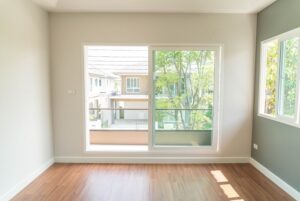
When choosing replacement windows, casement windows are among the most versatile and energy-efficient options available. Their side-hinged design allows them to swing open like a door, providing excellent ventilation and unobstructed views, making them a favorite among homeowners who value both style and function.
At HomeRite Windows and Doors, we help homeowners across Pennsylvania find window solutions that perfectly match their home’s design, climate and energy goals. Here’s everything you need to know about casement windows—their benefits, potential drawbacks, and what to expect during installation.
What Are Casement Windows?
Casement windows are hinged on one side and open outward with a crank handle. This makes them easy to operate and perfect for spaces like kitchens or bathrooms where sliding windows can be hard to reach.
Casement windows often feature:
1. A tight seal for superior insulation
2. Full top-to-bottom ventilation
3. Unobstructed glass panes for maximum light and visibility
Pros of Casement Windows
1. Energy Efficiency – Casement windows are known for forming one of the tightest seals of any window style. When closed, the sash presses firmly against the frame, keeping out drafts and improving insulation—helping you save on energy bills.
2. Maximum Ventilation – Because they open fully, casement windows allow complete airflow into your home. The angle of the sash can even help catch breezes and direct them indoors naturally.
3. Clear, Open Views – Casement windows have no dividers or meeting rails, giving you a wide, unobstructed view of the outdoors.
4. Enhanced Security – Many modern casement windows include multi-point locking systems, making them harder to force open compared to other styles.
5. Easy to Operate – The crank design makes casement windows ideal for hard-to-reach areas like over kitchen sinks or countertops.
Cons of Casement Windows
While casement windows offer many advantages, they may not be right for every home.
1. They can interfere with outdoor walkways or landscaping when open.
2. The crank mechanism requires occasional maintenance.
3. They are typically more expensive than single-hung or slider windows due to more complex hardware.
4. Larger window openings may require a different style for structural reasons.
Installation Tips for Casement Windows
Proper installation ensures your windows operate smoothly and maintain their energy efficiency. Here’s what you can expect:
1. Accurate Measurements – Exact sizing is key for a snug fit and draft-free seal.
2. Inspect the Frame – Any rot or structural damage must be repaired before installation.
3. Professional Sealing – High-quality caulking and insulation help prevent air leaks.
4. Hardware Testing – After installation, the hinges, locks, and crank mechanism should all be tested for smooth operation.
At HomeRite, our experienced team ensures every casement window is installed precisely for long-term performance and comfort.
Casement vs. Other Window Styles
Casement windows offer exceptional ventilation, security, and efficiency. Compared to sliding or double-hung windows, they seal tighter, open wider, and provide clearer views. For homeowners who value natural airflow and a sleek, modern look, casement windows are a great choice.
Final Thoughts
Casement windows combine functionality, beauty, and energy efficiency in one design. Whether you’re renovating or replacing older windows, they’re a worthwhile investment that adds comfort, style, and long-term value to your home.
At HomeRite Windows and Doors, we specialize in helping Pennsylvania homeowners choose and install the right windows for their needs. From casement to awning to vinyl windows, our window installation experts make sure your home gets the perfect fit—inside and out.
Related Reading